Care Guide Library
Each card is sourced from university studies, peer-reviewed journals, and verified botanical experts.
Plant of the Week

The Reed Palm
Chamaedorea seifrizii
✨ The Bamboo Palm was ranked by NASA's clean air study as one of the top air-purifying plants, especially effective at removing formaldehyde and benzene.
Click to view full care card →
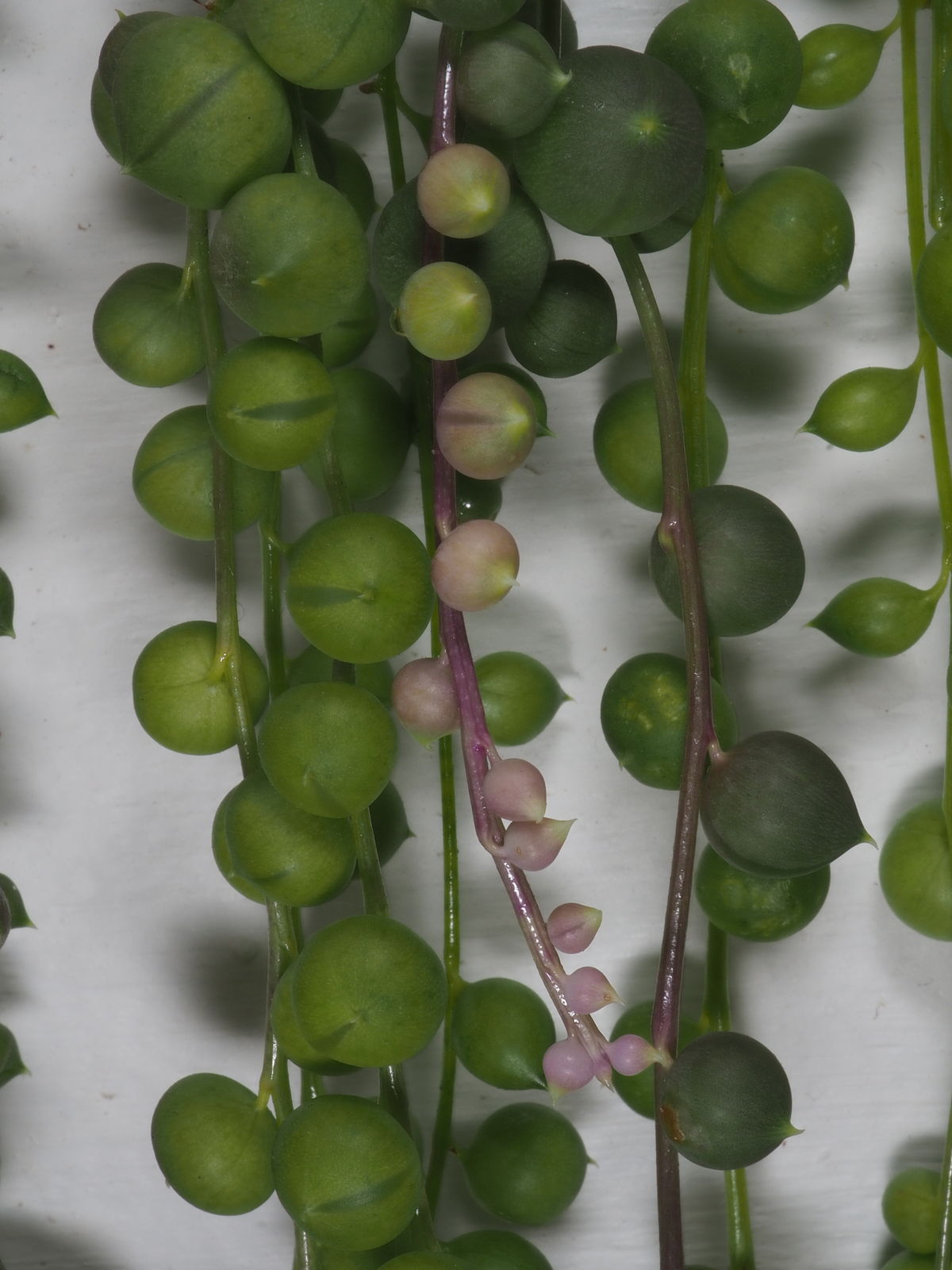
The Living Necklace
Curio rowleyanus
✨ Each spherical 'pearl' is actually a modified leaf — the round shape minimizes surface area to dramatically reduce water loss in dry African habitats.
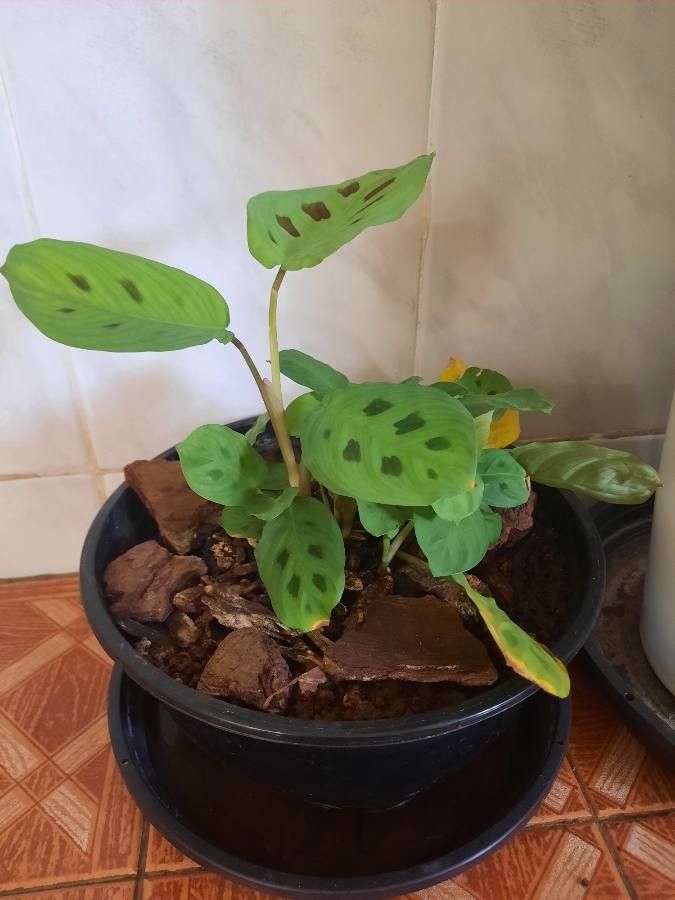
The Nighttime Worshipper
Maranta leuconeura
✨ Prayer Plants fold their leaves upward at night in a movement called nyctinasty — scientists believe this conserves water and protects leaves from cold.
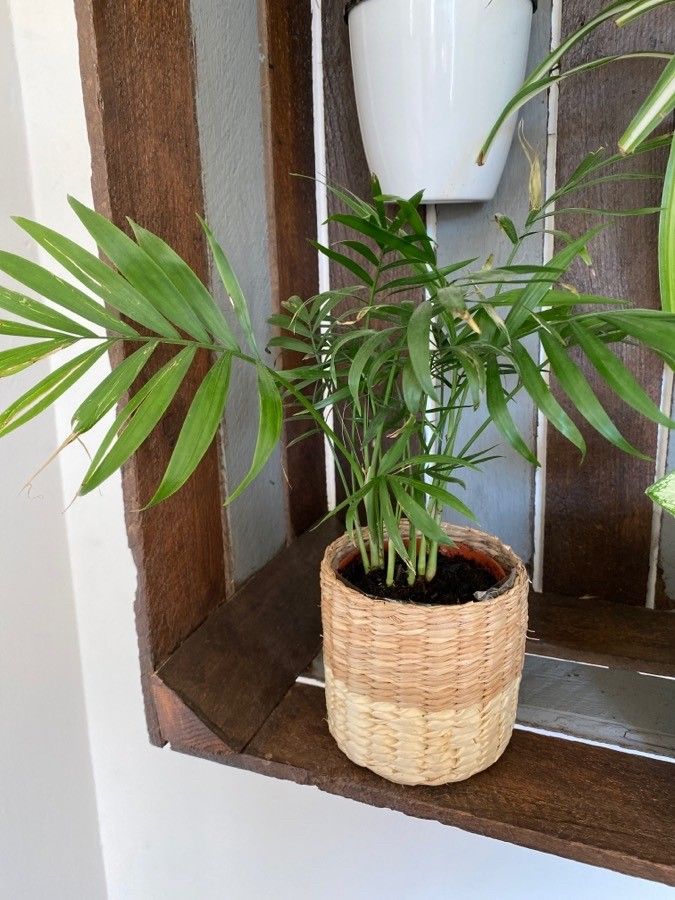
The Victorian Classic
Chamaedorea elegans
✨ The Parlor Palm was the most fashionable houseplant of the Victorian era — it was so popular that wild populations in Mexico were nearly wiped out from overcollecting.
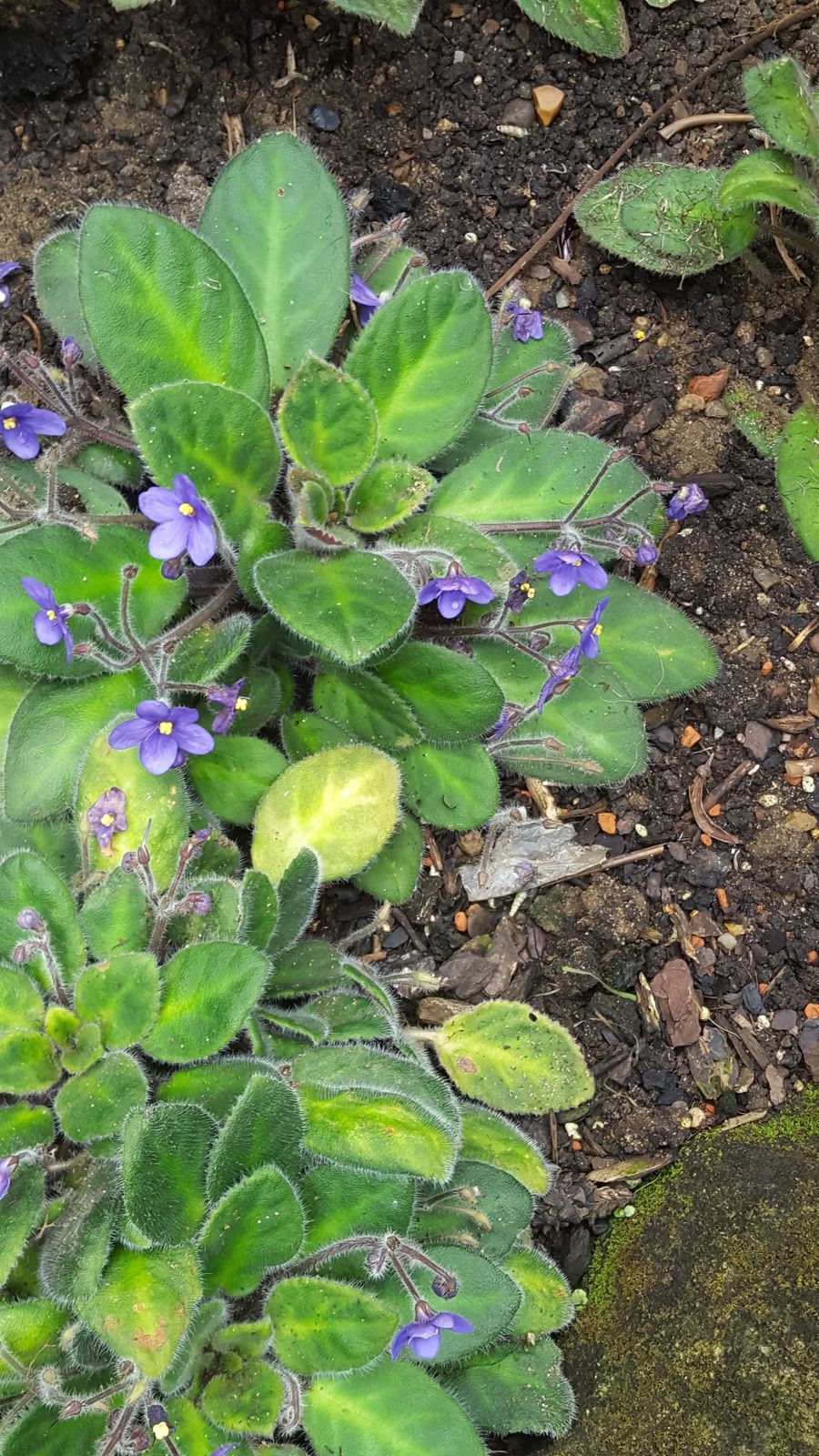
The Year-Round Bloomer
Streptocarpus ionanthus
✨ African Violets bloom nearly continuously under proper light — they're one of the few houseplants that can flower 10–12 months a year indoors.
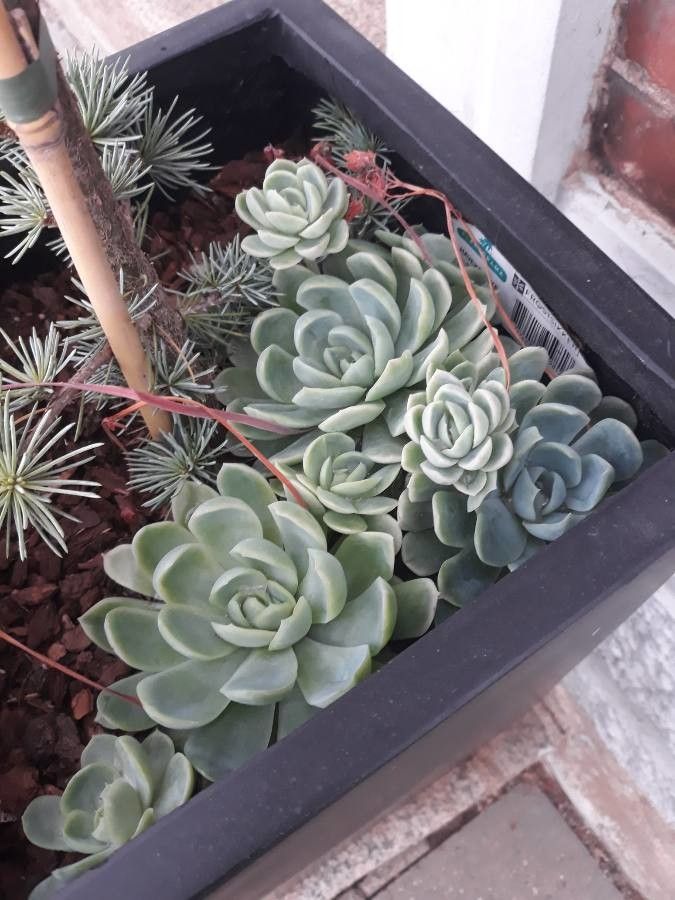
The Mexican Snowball
Echeveria elegans
✨ Echeveria leaves are covered in a powdery coating called farina — a natural wax bloom that protects the plant from intense sunlight and water loss.
The Reed Palm
Chamaedorea seifrizii
✨ The Bamboo Palm was ranked by NASA's clean air study as one of the top air-purifying plants, especially effective at removing formaldehyde and benzene.
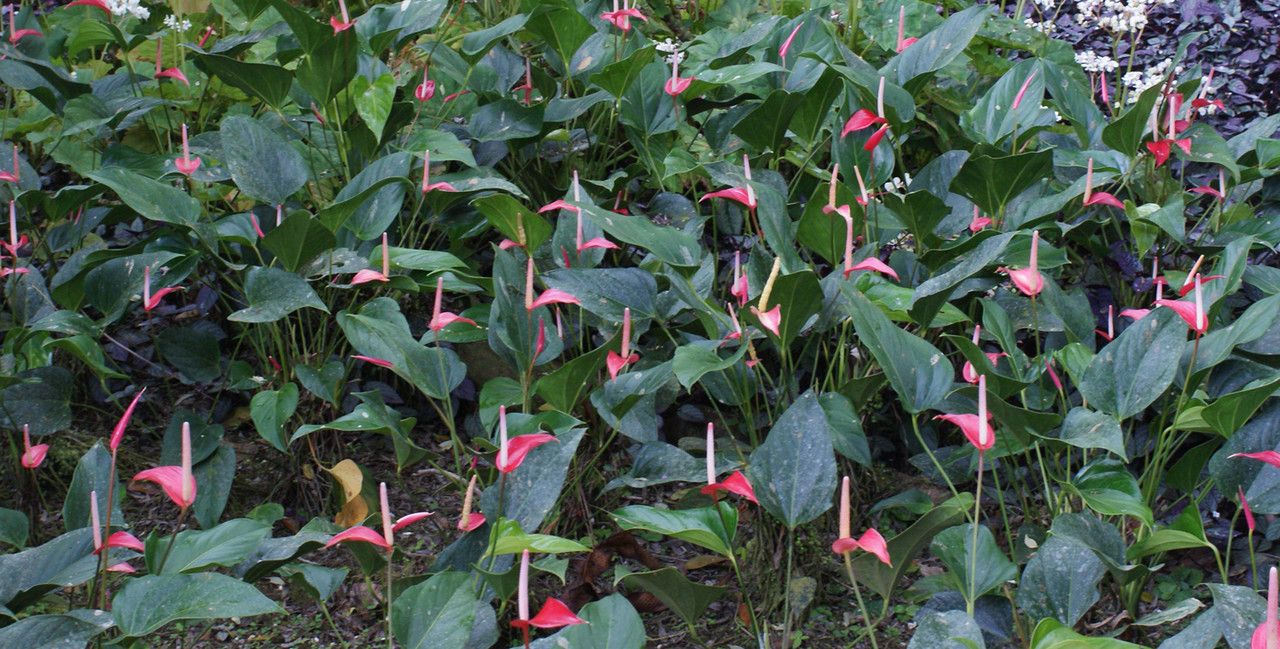
The Flamingo Flower
Anthurium andraeanum
✨ The waxy 'flower' of Anthuriums is actually a modified leaf called a spathe — the real flowers are the tiny bumps along the central spadix.
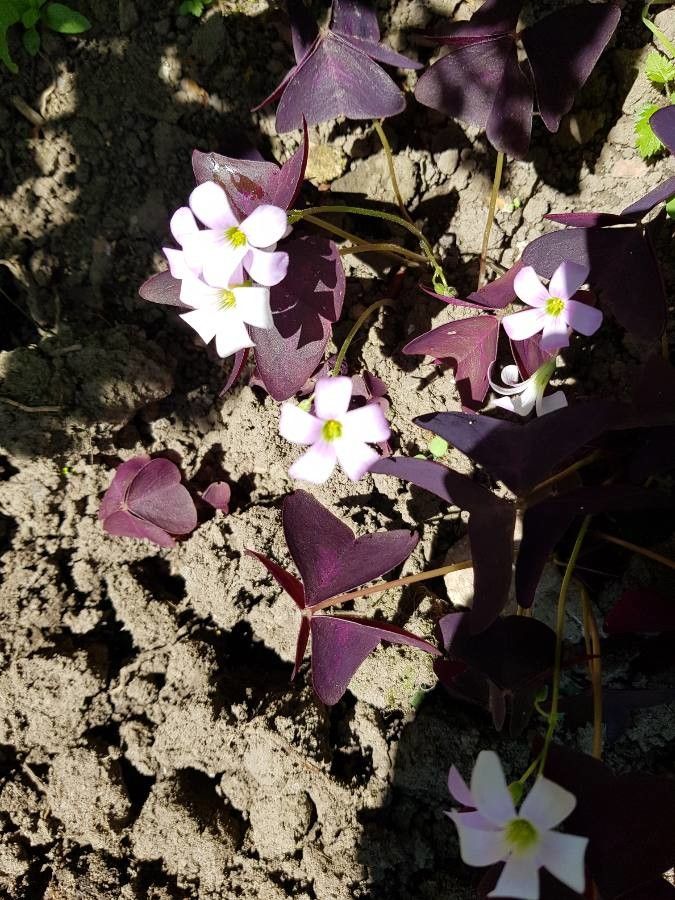
The Purple Shamrock
Oxalis triangularis
✨ Oxalis leaves are photonastic — they open in bright light and fold closed in darkness or when touched, almost like they're shy.
The Elephant Ear
Alocasia amazonica
✨ Alocasia leaves are so large that in their native tropical rainforests, local people traditionally used them as impromptu umbrellas.
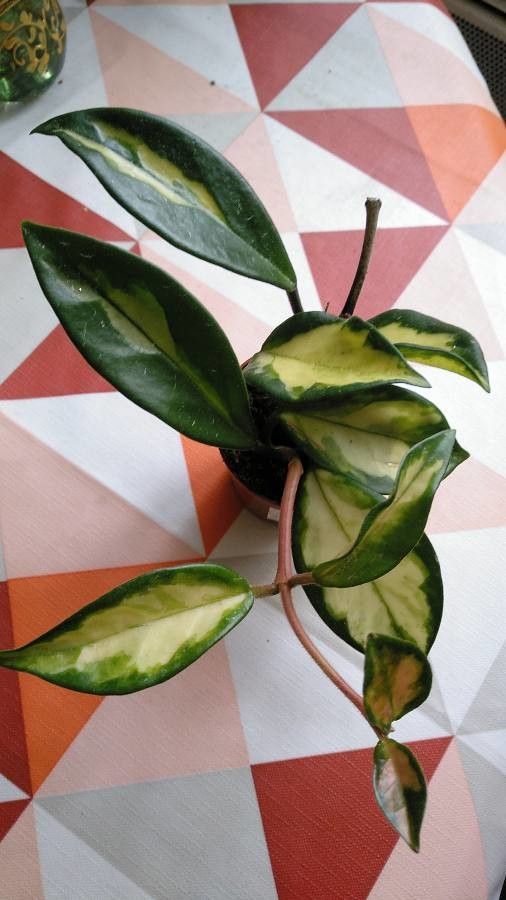
The Wax Plant
Hoya carnosa
✨ Hoya flowers produce nectar in such quantities that drops can literally drip from the blooms — they smell strongest at night to attract moths.
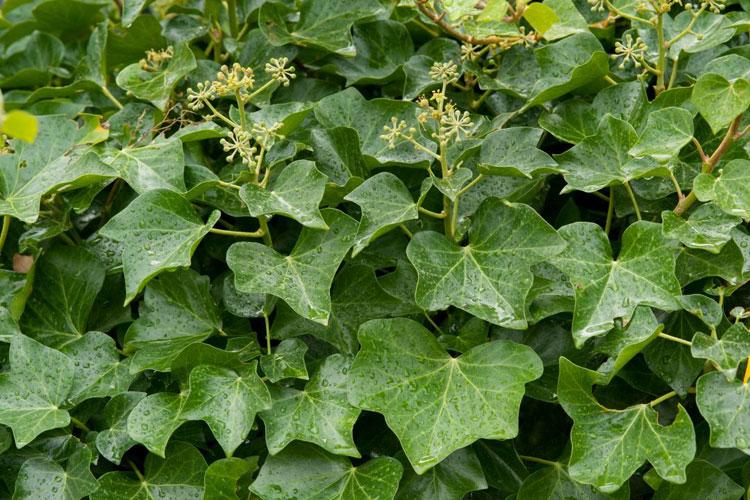
The Ancient Climber
Hedera helix
✨ English Ivy has been used in European medicine since antiquity and modern research confirms its leaf extract (prohedera) has genuine bronchospasmolytic properties.
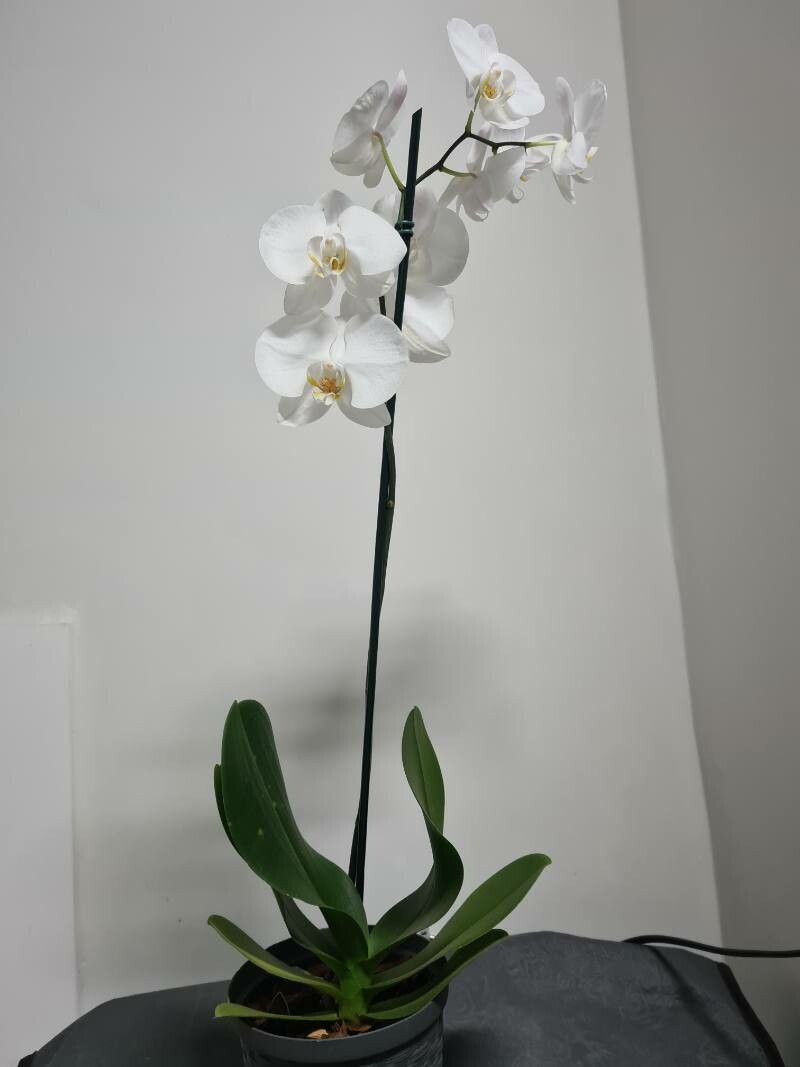
The Moth Orchid
Phalaenopsis amabilis
✨ Orchids are the largest family of flowering plants with over 28,000 species — more than double the number of bird species on Earth.
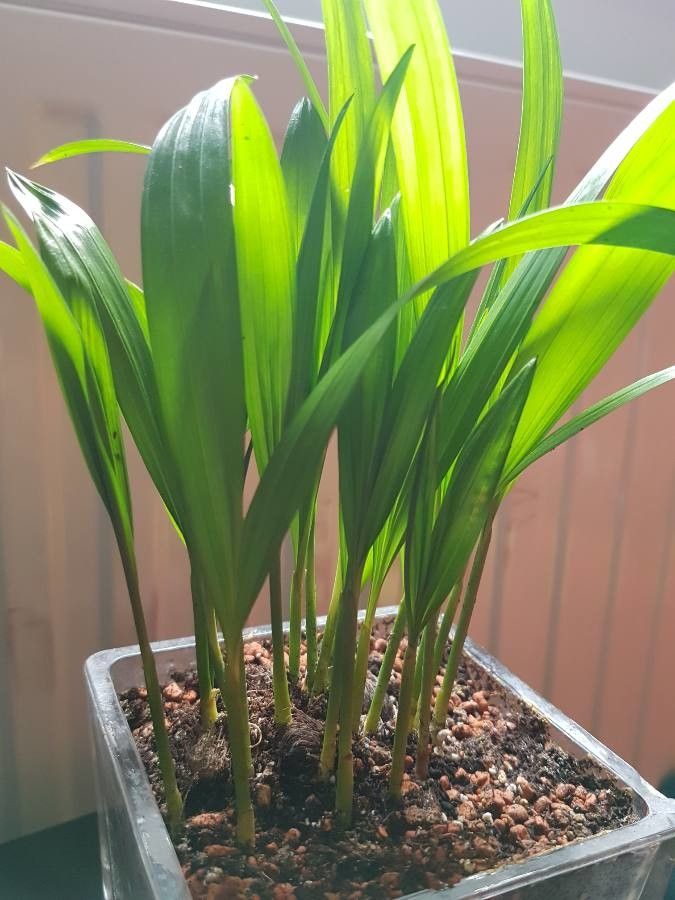
The Indestructible
Aspidistra elatior
✨ Cast Iron Plants grew in popularity during the Victorian era when gas lighting would kill almost any other plant — they truly can survive nearly anything.
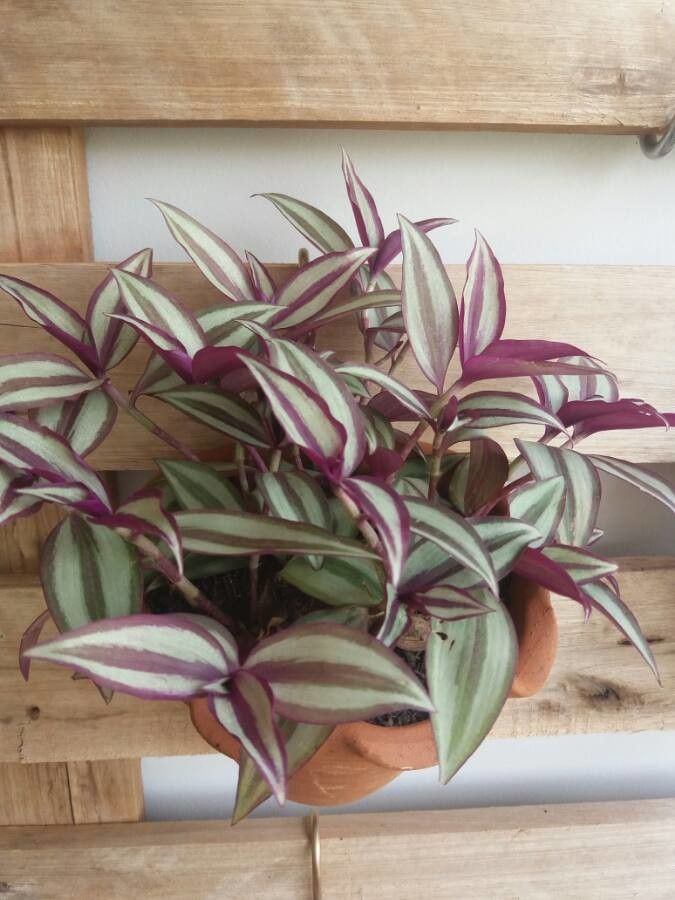
The Wandering Dude
Tradescantia zebrina
✨ The more light a Tradescantia gets, the more vivid its purple-silver striping becomes — neglected in low light, the leaves fade to plain green.

The Rainbow Leaf
Codiaeum variegatum
✨ Croton leaves produce more vibrant colors the more sun they receive — a low-light Croton will slowly fade to plain green.
The Bold Leaf
Ficus elastica
✨ In Meghalaya, India, locals train Rubber Plant roots across rivers over decades to form living root bridges that can hold the weight of 50 people.
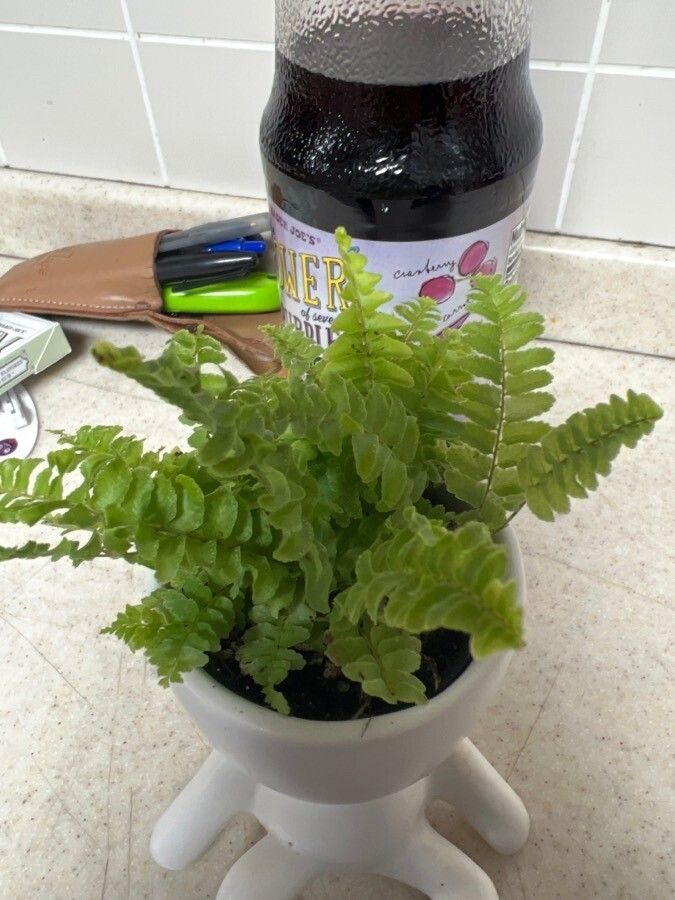
The Air Humidity Hero
Nephrolepis exaltata
✨ Boston Ferns are among the best natural humidifiers — a single plant can add up to a pint of water to the air each day through transpiration.
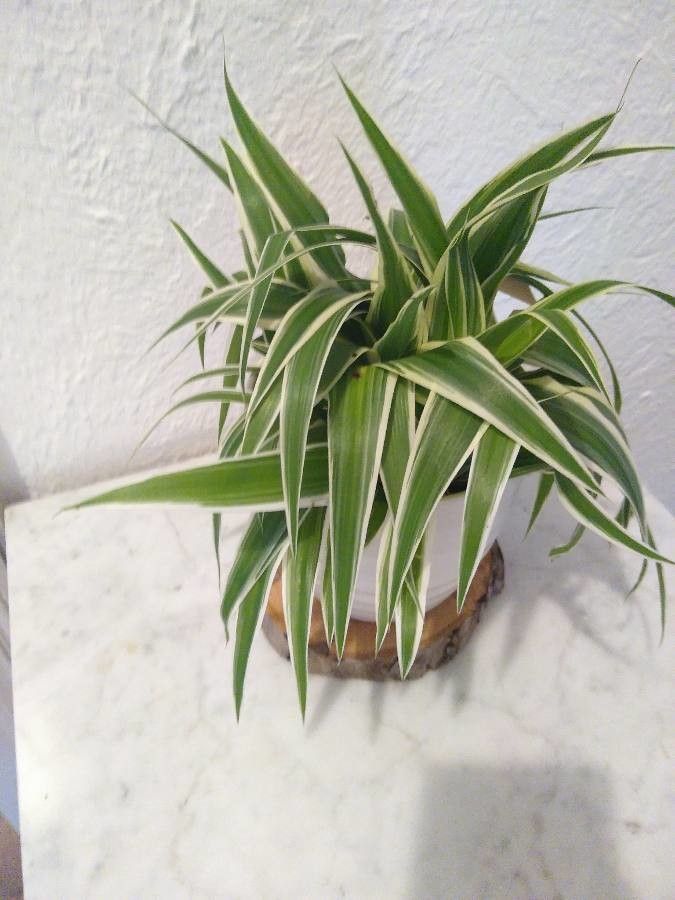
The Baby-Maker
Chlorophytum comosum
✨ Spider plants produce cascading 'spiderettes' or plantlets that can be propagated simply by placing them in water — perfect for gifting.
The First Aid Plant
Aloe barbadensis miller
✨ Aloe Vera gel contains over 75 active compounds including vitamins, enzymes, minerals, and amino acids — used medicinally for at least 6,000 years.
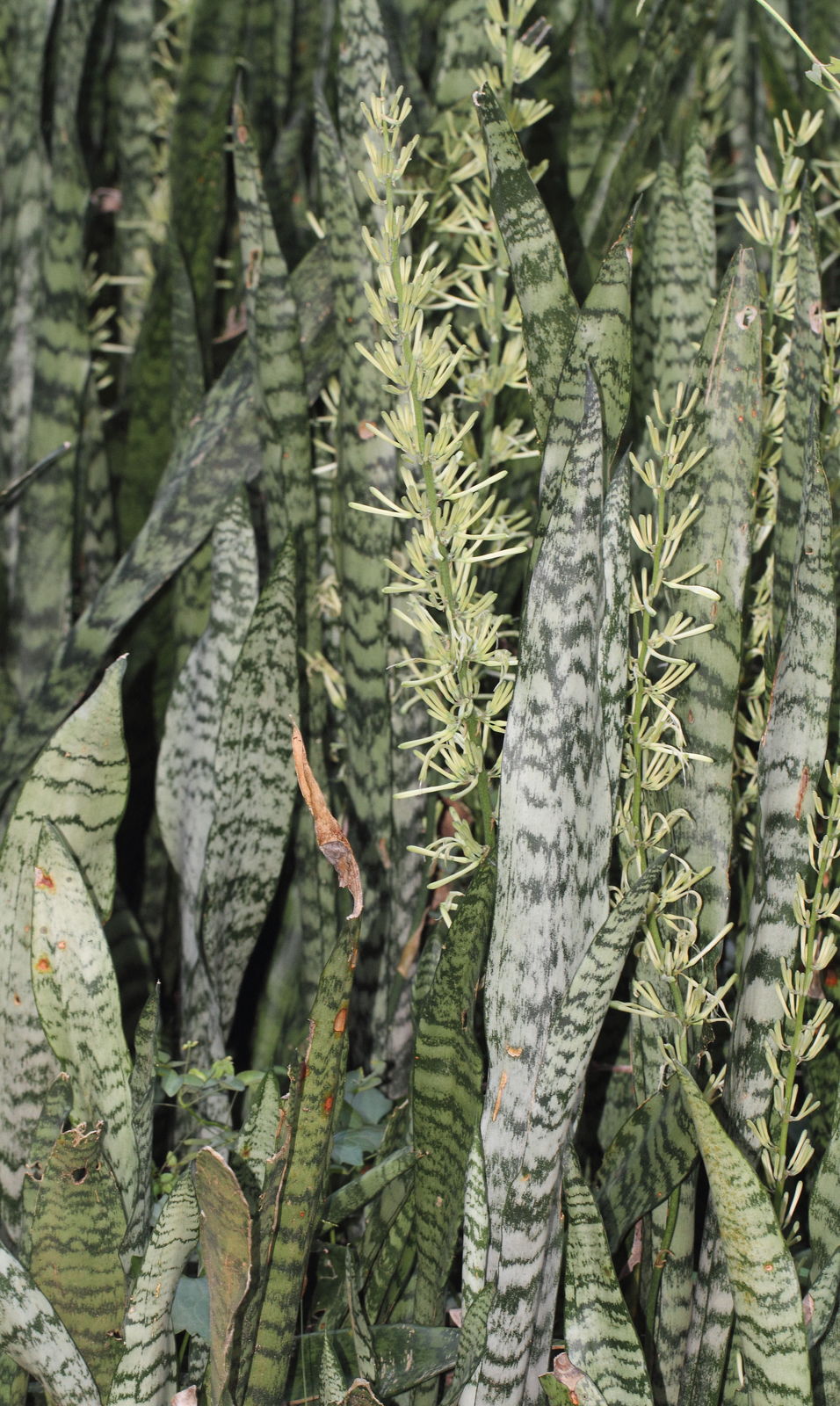
Mother-in-Law's Tongue
Dracaena trifasciata
✨ One of the few plants that converts CO₂ to oxygen at night, making it an ideal bedroom companion.
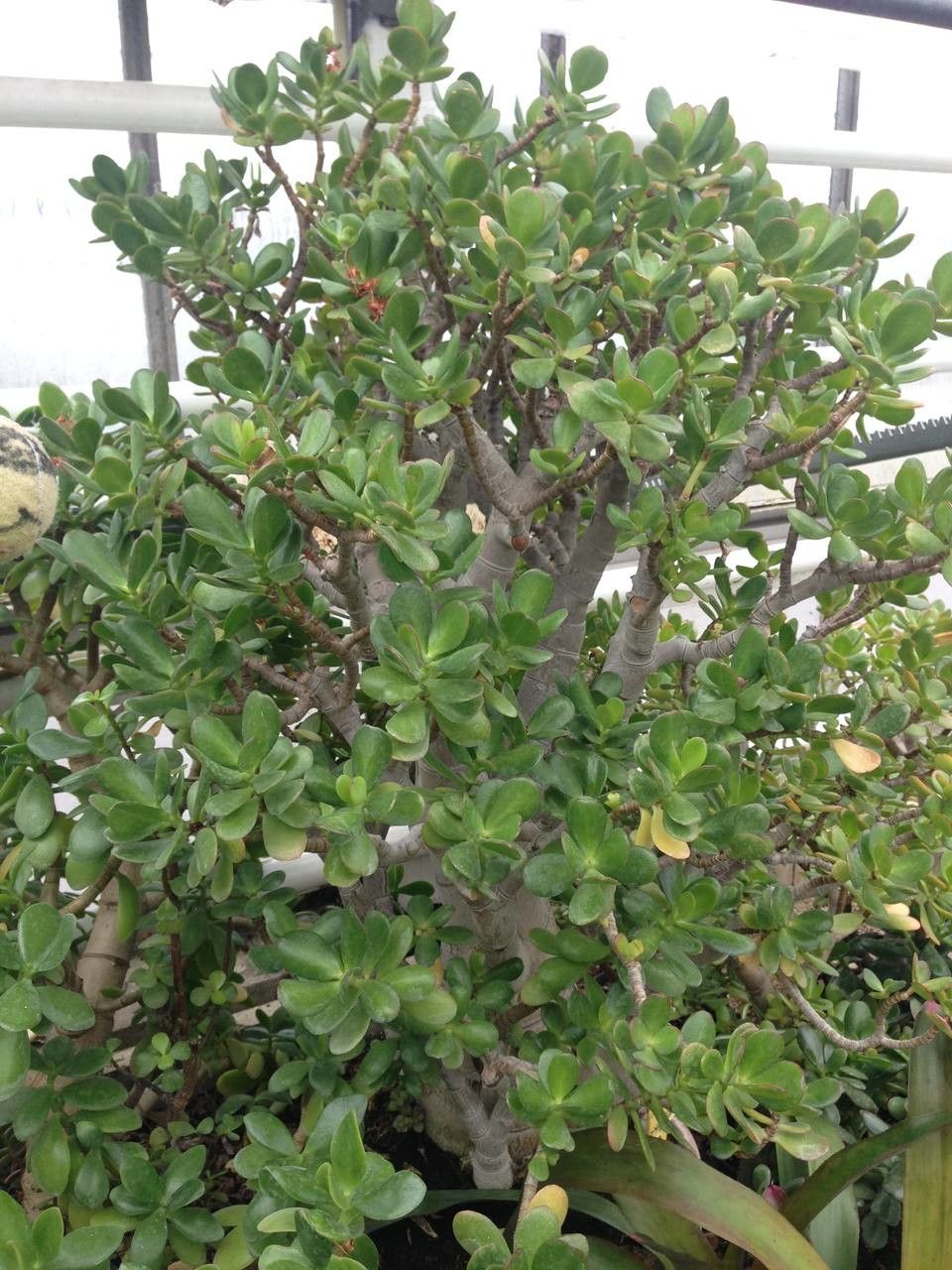
The Money Tree
Crassula ovata
✨ Jade Plants can live for over 100 years with proper care — some plants passed down through generations are known to be heirlooms.
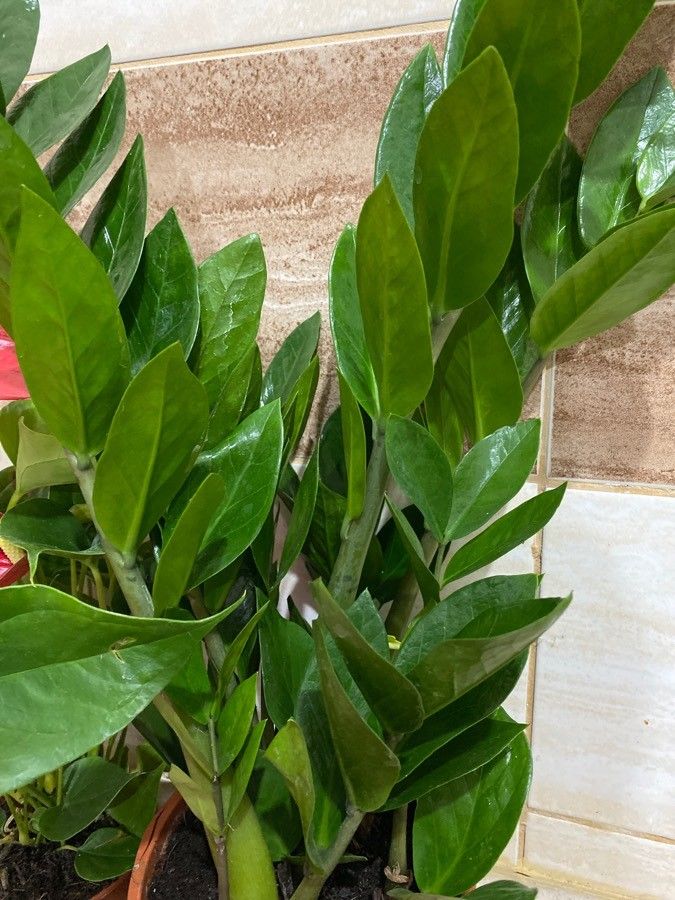
The Zombie Plant
Zamioculcas zamiifolia
✨ The ZZ plant survived for decades in botanical gardens without anyone knowing its exact origin — it was only fully described by science in 1996.

The Cascading Heart
Philodendron hederaceum
✨ Heart-leaf Philodendrons are part of the Araceae family — one of the largest families of flowering plants with over 3,000 species found worldwide.
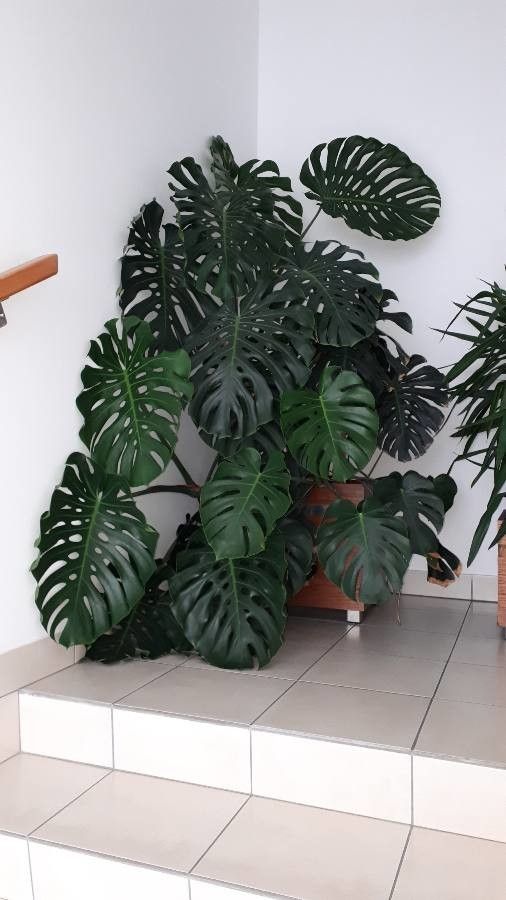
The Swiss Cheese Plant
Monstera deliciosa
✨ Those iconic holes are called fenestrations — scientists think they help the plant survive high winds and let light reach lower leaves in the rainforest.

The White Flag Beauty
Spathiphyllum wallisii
✨ Peace Lilies will literally droop dramatically when thirsty — an unmistakable cry for water that bounces right back after a good drink.
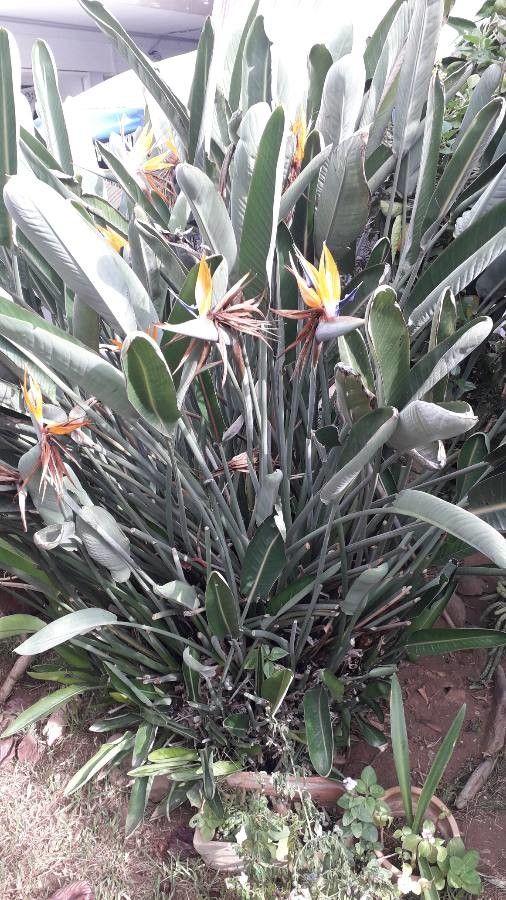
The Tropical Showstopper
Strelitzia reginae
✨ The orange and blue flowers mimic a tropical bird in flight — the shape is actually a pollination trick to get sunbirds to brush against the pollen.

The Corn Plant
Dracaena fragrans
✨ The Dracaena genus is named from the Greek word for 'female dragon' — the older plants bleed a dark red resin historically called 'dragon's blood.'
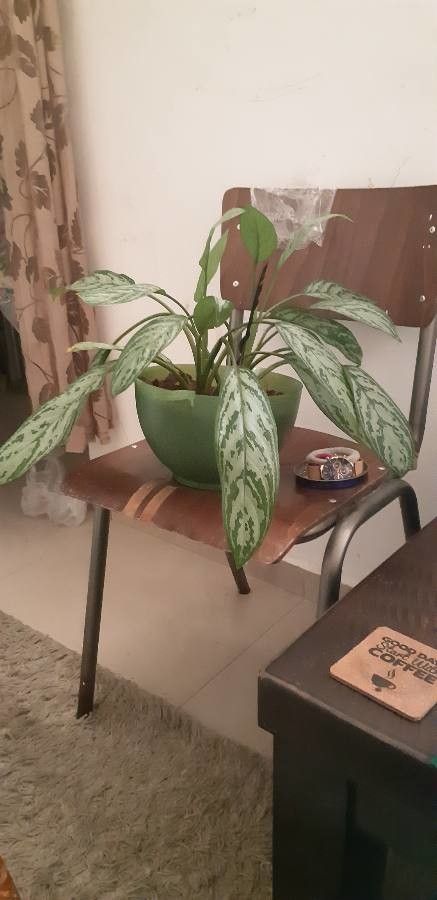
The Luck Bringer
Aglaonema commutatum
✨ In Chinese culture, Aglaonema is considered one of the most auspicious plants, believed to bring good fortune and long life.
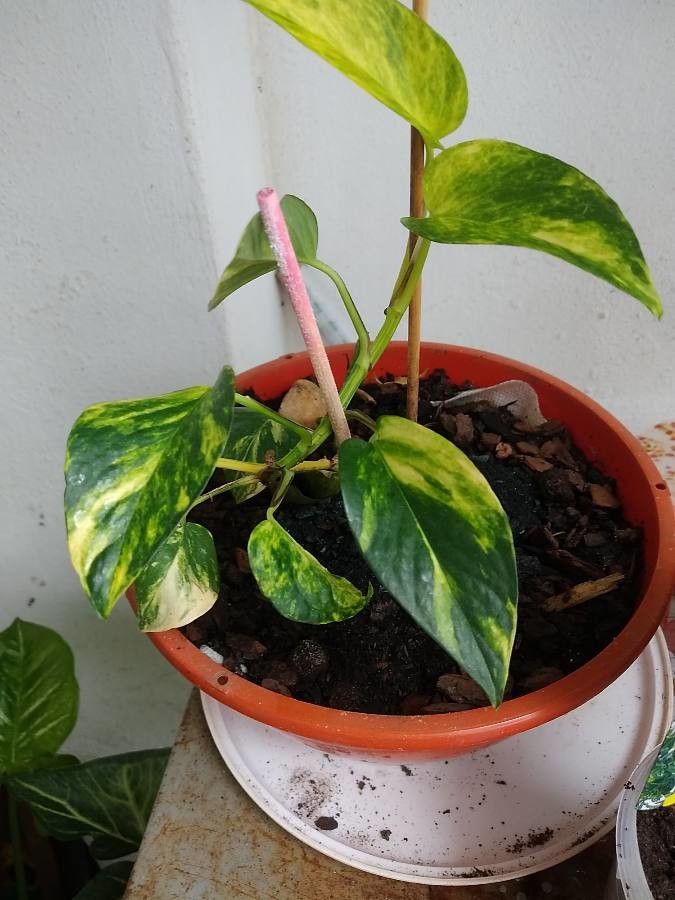
The Golden Devil's Ivy
Epipremnum aureum
✨ NASA's Clean Air Study found Pothos can remove formaldehyde, xylene, and benzene from indoor air.

The Living Paintbrush
Calathea orbifolia
✨ Calatheas are nyctinastic — their leaves fold upward at night like hands in prayer, and open again in the morning as light returns.
The Drama Queen Tree
Ficus lyrata
✨ Fiddle Leaf Figs are native to the tropical rainforests of West Africa and can grow up to 50 feet tall in the wild.